The German Ports Alliance’s more measured tone at the National Maritime Conference in Emden at the end of April was followed by an official “bombshell” on 10 June 2026, when the group of eight ports introduced itself to the public for the first time at the premises housing the Hamburg State Representation in Berlin.
The theme of the event in the capital city was “Where resilience begins: between the energy crisis and defence policy – German ports as a cornerstone of the sustainable infrastructure of the future”. The German Ports Alliance, which enjoys the support of the Association of German Seaport Operators (ZDS), is and will continue to be the driving force behind this event and the new collaboration. The initiative comprises eight German port infrastructure operators – bremenports, Brunsbüttel Ports, duisport, Hamburg Port Authority, Port of Kiel, Lübeck Port Authority, Niedersachsen Ports and Rostock Port – which, together, represent the entire spectrum of companies based at German ports and aim to advance these central future issues of port development. In an effort to acquire recognition as a cornerstone of the sustainable infrastructure of the future and secure not only encouraging words but also proper funding from Berlin, the alliance raised these demands at its kick-off event (see info box).
In front of an audience of around 140 guests from politics, government, business and academia, Dr Melanie Leonhard, Hamburg’s Senator for Economic Affairs, Labour and Innovation, opened the event in Berlin by outlining the path forward for the alliance: “The statement ‘No shipping, no shopping’ sums it up perfectly. Our ports are essential for ensuring our strategic autonomy and economic security and need to be a key focus of government policy.” And Christoph Ploß, Federal Government Coordinator for Maritime Economy and Tourism, had this to say about the ports’ financial resources: “We urgently need more investment in German ports because so much depends on them for us as an export nation. This also includes greater flexibility in how the special fund is allocated.”
Robert Howe, bremenports Managing Director, fully agrees with both statements, adding: “We’ve spoken many times over the years, at various roundtables, on discussion panels and at other events. But something suddenly shifted in all of us last year. We came to realise that there are other options we can take advantage of if we work together.” Howe is quick to point out that the initial catalyst for this alliance came from Hamburg and that it is not simply about monetary aspects, but also about fundamentally re-examining the role of ports. “The governments of some of our neighbouring countries recognised the real importance of ports earlier than we did here in Germany. While we’re increasingly coming to these realisations, the right conclusions have yet to be drawn,” says Howe. And to emphasise the importance of German ports, he adds that more than 1.5 million jobs are currently tied to the German port industry alone, either directly or indirectly, and that around 60 per cent of all imports and exports pass through the ports as central hubs of German foreign trade. But the true capability of the ports goes far beyond that. “You must also consider the logistics and value chains that are linked to the ports. That further increases their significance as an economic factor and as central hubs of international trade many times over.”
The demands of the Alliance:
1.
Acknowledgement of sea and inland ports as strategic infrastructure of national significance
2.
As stipulated in the federal government’s coalition agreement, substantially increase the federal government’s existing port burden compensation scheme in line with its interests in the ports
3.
Resolve the current modernisation backlog in the public port infrastructure with financing from the Infrastructure Special Fund
4.
Explicit inclusion of sea and inland ports in the planned Infrastructure Future Act and the corresponding significant acceleration of planning and approval processes
Häfen als Ländersache „nicht mehr zeitgemäß“
Vor diesem Hintergrund fordert die Allianz Deutsche Häfen eine angemessene Finanzierung der See- und Binnenhäfen als strategischer Infrastruktur. Bisher fließen im Rahmen des sogenannten Hafenlastenausgleichs jährlich 38,3 Millionen Euro durch die Bundesregierung in die Häfen. Doch diese Summe reicht aus Sicht der Verantwortlichen bei Weitem nicht aus, sodass die Küstenländer und der ZDS eine Aufstockung auf 500 Millionen Euro im Jahr anvisieren – eine Forderung, der sich auch Howe anschließt. Allerdings erteilte Bundeskanzler Friedrich Merz dieser Zielsetzung auf der Nationalen Maritimen Konferenz (NMK) in Emden eine Absage. Er verwies darauf, dass sich der Betrag nicht ohne eine dafür notwendige Verfassungsänderung erhöhen lasse und dass laut Verfassung die Länder – und nicht der Bund – für die Finanzierung der Häfen zuständig seien. Für Howe ein falsches Signal. Er sagt: „Gesetze kann man anpassen und danach einen erneuerten Hafenausgleich aufstellen.“ Zudem sei die Betrachtungsweise „Häfen sind Ländersache“ für ihn nicht mehr zeitgemäß. „Spätestens Corona und die Situation in der Ukraine haben gezeigt, dass unsere Häfen eine nationale Aufgabe erfüllen – sei es als unverzichtbare Knotenpunkte für globale Lieferketten, für die Energiewende oder für die militärische Mobilität im Rahmen der europäischen Sicherheitsarchitektur“, ergänzt er.
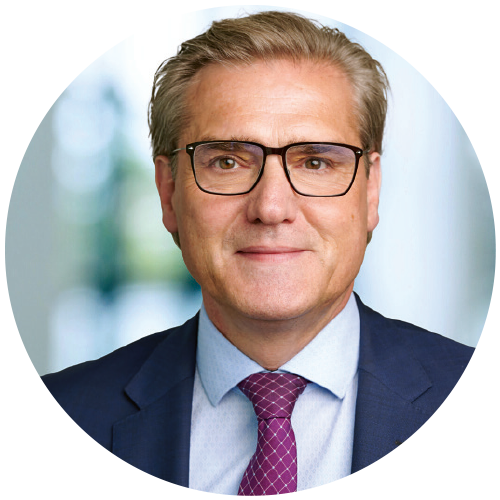
“You can amend legislation and then restructure port funding.”
Robert Howe, Managing Director, bremenports
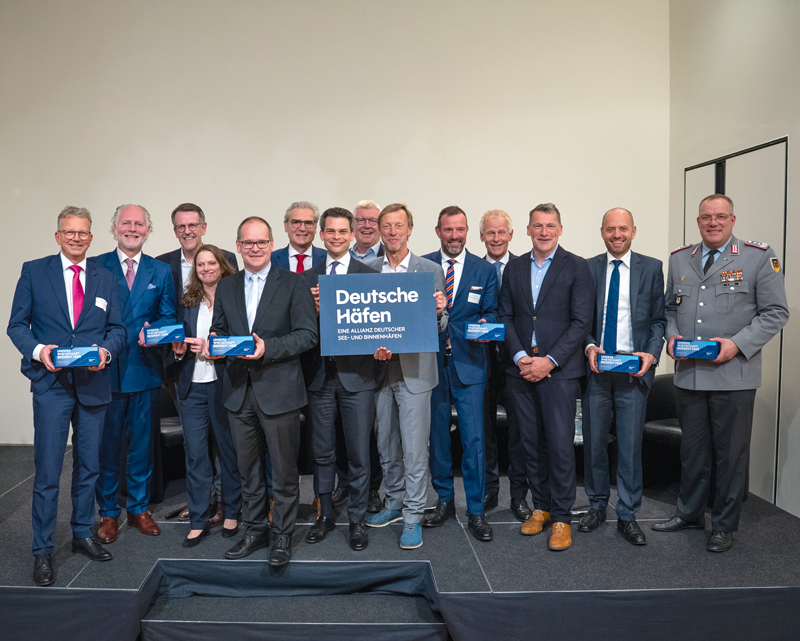
In early July, the German government incorporated sea and inland ports into the scope of the new Infrastructure Future Act (InfrSZG), which should significantly accelerate planning and approval processes for important port infrastructure projects. As a representative of the German Ports Alliance, Howe views this as “an important signal in the right direction”. “Incorporating ports into the Infrastructure Future Act was one of our core demands and represents a major upgrade for the ports,” says the bremenports Managing Director (bre)
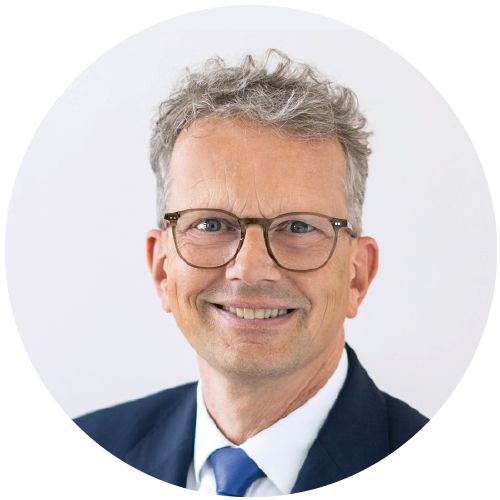
“The federal government demands national functions without consistently assuming national responsibility.”
Holger Banik, Managing Director of NPorts
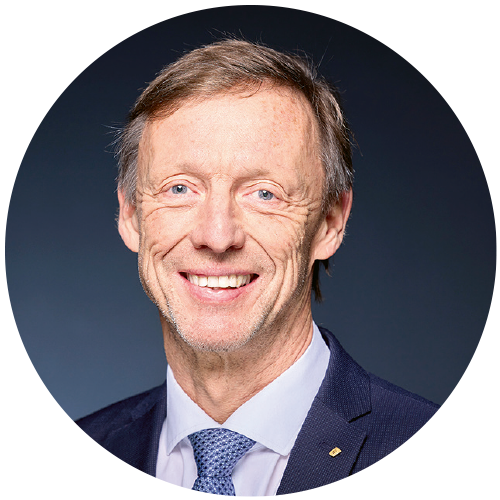
“The federal government demands national functions without consistently assuming national responsibility.”
Holger Banik, Managing Director of NPorts