REQUEST THE MAGAZINE

Logo German Ports
Magazine for ports, shipping and logistics

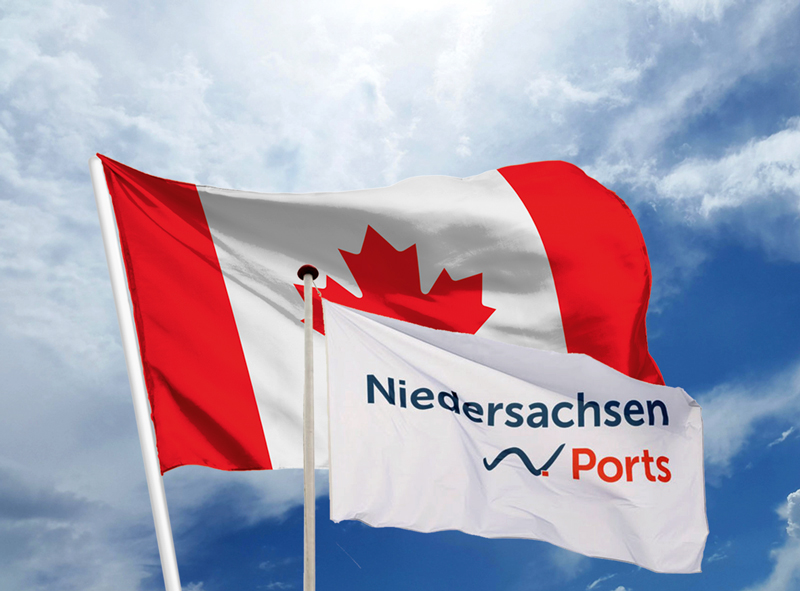
Canadian-German port collaboration

01.10.2022
WILHELMSHAVEN. The Belledune Port Authority (BPA) of the Canadian port in New Brunswick and the Lower Saxony port of Wilhelmshaven signed a memorandum of understanding in August to work together in the logistics of dry and liquid bulk as well as industrial goods traded between Canada and Germany. This concerns mainly green energy sources and other green industrial products, and is intended to support Wilhelmshaven’s efforts in playing a leading role in Germany’s energy supply.

Credits: NPORTS_RAWPIXEL

More articles from the category Community News

ZDS and DGB welcome Ploß’s proposal on special funds

ZDS and DGB welcome Ploß’s proposal on special funds

HAMBURG. The proposal by Maritime Coordinator Christoph Ploß to extend the Infrastructure Special Fund to include seaports and waterways met with broad approval from the Central Association of German Seaport Operators (ZDS) and the German Trade Union Confederation...

read more
BLG LOGISTICS receives SBTi Validation Once Again

BLG LOGISTICS receives SBTi Validation Once Again

BREMEN. BLG LOGISTICS has once again had its climate targets officially validated by the Science Based Targets initiative (SBTi) – with significantly more ambitious reduction targets than those set during the initial validation in 2020.

read more
ZDS and DGB welcome Ploß’s proposal on special funds

ZDS and DGB welcome Ploß’s proposal on special funds

HAMBURG. The proposal by Maritime Coordinator Christoph Ploß to extend the Infrastructure Special Fund to include seaports and waterways met with broad approval from the Central Association of German Seaport Operators (ZDS) and the German Trade Union Confederation...

read more
BLG LOGISTICS receives SBTi Validation Once Again

BLG LOGISTICS receives SBTi Validation Once Again

BREMEN. BLG LOGISTICS has once again had its climate targets officially validated by the Science Based Targets initiative (SBTi) – with significantly more ambitious reduction targets than those set during the initial validation in 2020.

read more