REQUEST THE MAGAZINE

Logo German Ports
Magazine for ports, shipping and logistics

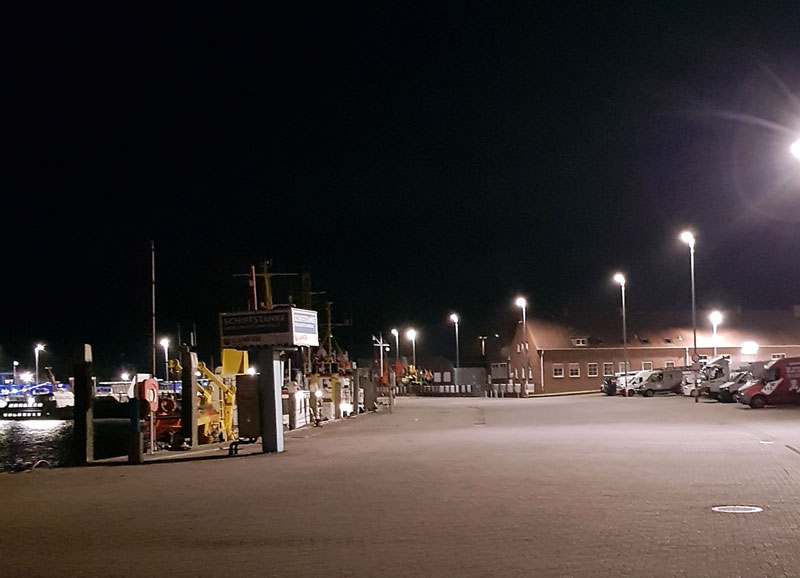
Norderney shines in a new light

07.02.2022

NORDERNEY. Port areas need to be optimally lit for traffic, whether that be on the docks or on the water. Nevertheless, older lighting systems offer a high potential to save energy. Against this background, Nports installed 82 new LED lamps in the Port of Nordeney in 2021, and have been bringing more light to operations there since December. According to Nports, savings of 30 per cent can be achieved solely by replacing the old sodium-vapour lamps with the new LED lamps. Overall, this action should help to save half of the previous energy consumption.

Credits: NPORTS

More articles from the category Community News

ZDS and DGB welcome Ploß’s proposal on special funds

ZDS and DGB welcome Ploß’s proposal on special funds

HAMBURG. The proposal by Maritime Coordinator Christoph Ploß to extend the Infrastructure Special Fund to include seaports and waterways met with broad approval from the Central Association of German Seaport Operators (ZDS) and the German Trade Union Confederation...

read more
BLG LOGISTICS receives SBTi Validation Once Again

BLG LOGISTICS receives SBTi Validation Once Again

BREMEN. BLG LOGISTICS has once again had its climate targets officially validated by the Science Based Targets initiative (SBTi) – with significantly more ambitious reduction targets than those set during the initial validation in 2020.

read more
ZDS and DGB welcome Ploß’s proposal on special funds

ZDS and DGB welcome Ploß’s proposal on special funds

HAMBURG. The proposal by Maritime Coordinator Christoph Ploß to extend the Infrastructure Special Fund to include seaports and waterways met with broad approval from the Central Association of German Seaport Operators (ZDS) and the German Trade Union Confederation...

read more
BLG LOGISTICS receives SBTi Validation Once Again

BLG LOGISTICS receives SBTi Validation Once Again

BREMEN. BLG LOGISTICS has once again had its climate targets officially validated by the Science Based Targets initiative (SBTi) – with significantly more ambitious reduction targets than those set during the initial validation in 2020.

read more