REQUEST THE MAGAZINE

Logo German Ports
Magazine for ports, shipping and logistics

Daily Stuttgart–Bremerhaven train connections

05.09.2024
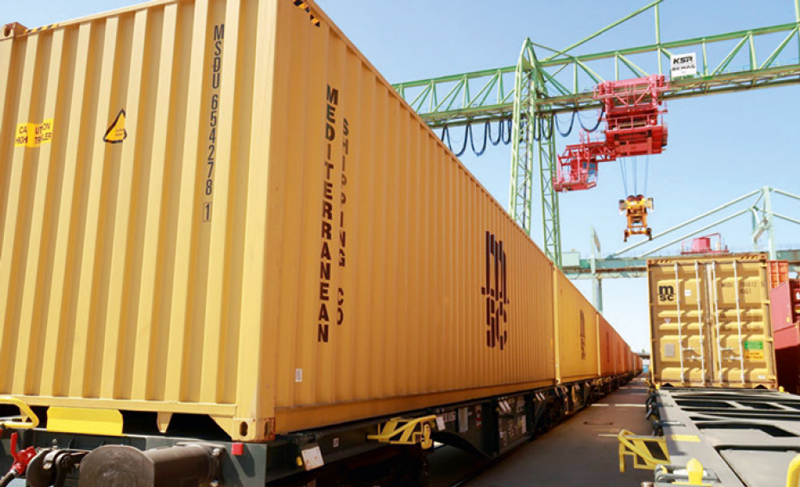
BREMEN. Stuttgart introduced a daily container service by train from its port to Bremerhaven in August. Operated by Necoss Neutral Container Shuttle GmbH, which is based in Bremen, the trains run at night but are loaded and unloaded during the day. “Besides high capacity, the daily departures also offer the highest flexibility possible for fast and eco-friendly transport of goods produced in Baden-Württemberg to the rest of the world, as well as the transport of important goods for the local economy to Stuttgart,” reported Necoss during the launch.

Credits: Necoss

More articles from the category Community News

ZDS and DGB welcome Ploß’s proposal on special funds

ZDS and DGB welcome Ploß’s proposal on special funds

HAMBURG. The proposal by Maritime Coordinator Christoph Ploß to extend the Infrastructure Special Fund to include seaports and waterways met with broad approval from the Central Association of German Seaport Operators (ZDS) and the German Trade Union Confederation...

read more
BLG LOGISTICS receives SBTi Validation Once Again

BLG LOGISTICS receives SBTi Validation Once Again

BREMEN. BLG LOGISTICS has once again had its climate targets officially validated by the Science Based Targets initiative (SBTi) – with significantly more ambitious reduction targets than those set during the initial validation in 2020.

read more
ZDS and DGB welcome Ploß’s proposal on special funds

ZDS and DGB welcome Ploß’s proposal on special funds

HAMBURG. The proposal by Maritime Coordinator Christoph Ploß to extend the Infrastructure Special Fund to include seaports and waterways met with broad approval from the Central Association of German Seaport Operators (ZDS) and the German Trade Union Confederation...

read more
BLG LOGISTICS receives SBTi Validation Once Again

BLG LOGISTICS receives SBTi Validation Once Again

BREMEN. BLG LOGISTICS has once again had its climate targets officially validated by the Science Based Targets initiative (SBTi) – with significantly more ambitious reduction targets than those set during the initial validation in 2020.

read more