REQUEST THE MAGAZINE

Logo German Ports
Magazine for ports, shipping and logistics

Nordfrost with a new hygiene unit

31.03.2021

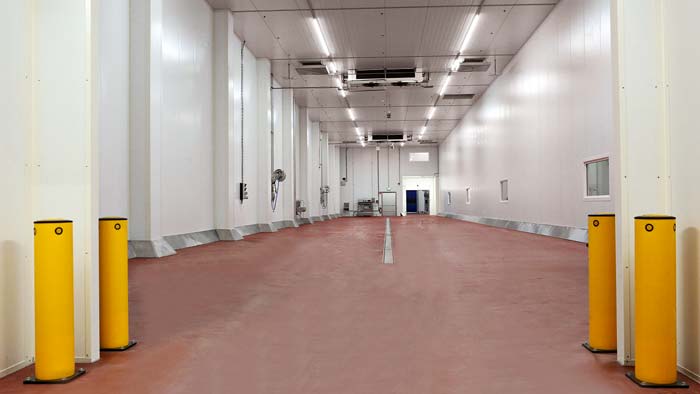
WILHELMSHAVEN. Nordfrost continues to expand its seaport terminal in Wilhelmshaven as a food hub. In February, the deep-freeze logistics company from Schortens finished building a new, second hygiene section at the terminal and following official acceptance, put it into operation. The hygiene section is located at front of the high-bay warehouse and consists of a multifunctional hall and four separate production halls, each measuring 10 by 60 metres, plus ancillary rooms. The Nordfrost seaport terminal in Wilhelmshaven has a storage capacity of 105,000 pallet spaces.

Credit: Nordfrost

More articles from the category Community News

ZDS and DGB welcome Ploß’s proposal on special funds

ZDS and DGB welcome Ploß’s proposal on special funds

HAMBURG. The proposal by Maritime Coordinator Christoph Ploß to extend the Infrastructure Special Fund to include seaports and waterways met with broad approval from the Central Association of German Seaport Operators (ZDS) and the German Trade Union Confederation...

read more
BLG LOGISTICS receives SBTi Validation Once Again

BLG LOGISTICS receives SBTi Validation Once Again

BREMEN. BLG LOGISTICS has once again had its climate targets officially validated by the Science Based Targets initiative (SBTi) – with significantly more ambitious reduction targets than those set during the initial validation in 2020.

read more
ZDS and DGB welcome Ploß’s proposal on special funds

ZDS and DGB welcome Ploß’s proposal on special funds

HAMBURG. The proposal by Maritime Coordinator Christoph Ploß to extend the Infrastructure Special Fund to include seaports and waterways met with broad approval from the Central Association of German Seaport Operators (ZDS) and the German Trade Union Confederation...

read more
BLG LOGISTICS receives SBTi Validation Once Again

BLG LOGISTICS receives SBTi Validation Once Again

BREMEN. BLG LOGISTICS has once again had its climate targets officially validated by the Science Based Targets initiative (SBTi) – with significantly more ambitious reduction targets than those set during the initial validation in 2020.

read more